
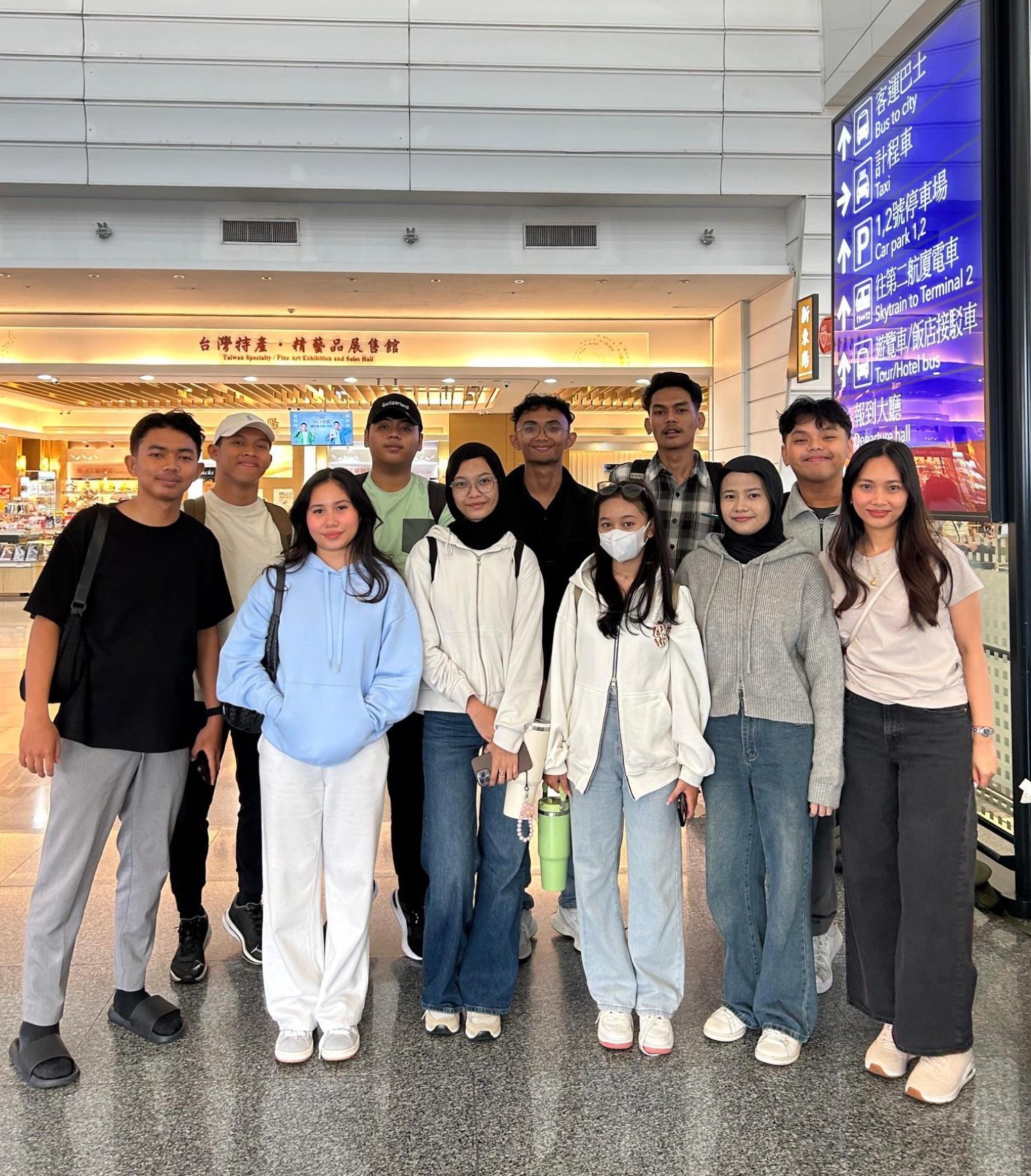
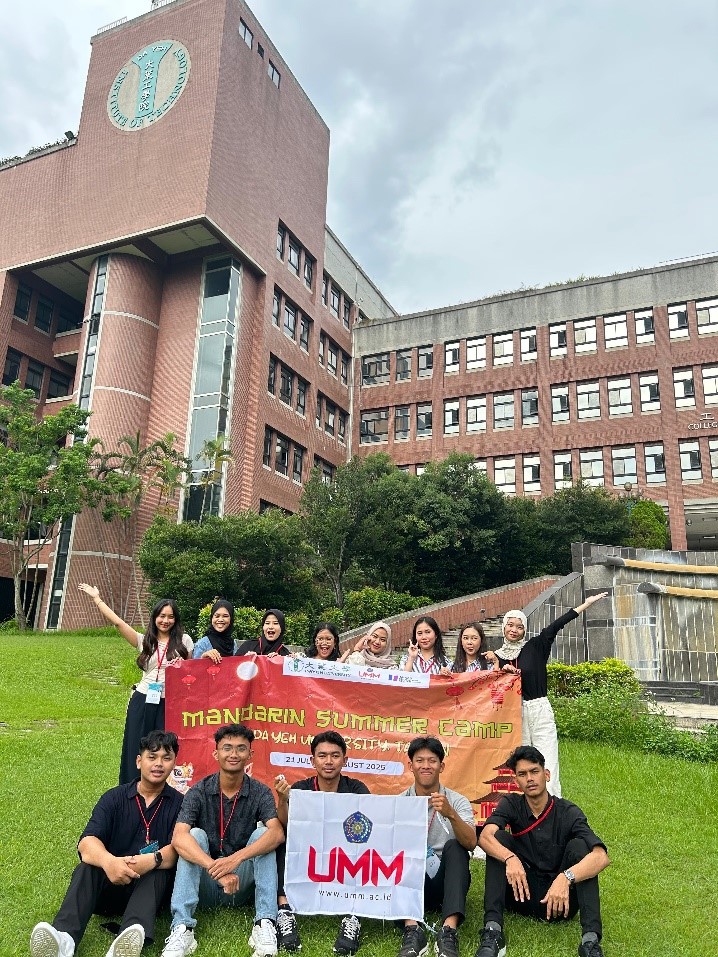
From July 21 to August 3, 2025, a group of students from the University of Muhammadiyah Malang (UMM) joined the Mandarin Summer Camp at Da Yeh University in Taiwan. This two-week program provided a unique combination of language learning, cultural immersion, and technological exploration, giving participants an enriching international experience that went beyond the classroom.
The camp’s central focus was the introduction of Mandarin language skills. Every weekday morning, students attended interactive classes designed to build basic conversational ability. These sessions not only strengthened their communication but also allowed them to engage more confidently with Taiwanese peers and locals. The language component was complemented by afternoon workshops highlighting Taiwanese traditions, such as calligraphy, pastry-making, and herbal medicine. Through these activities, students gained hands-on knowledge of practices that continue to shape Taiwan’s cultural identity.
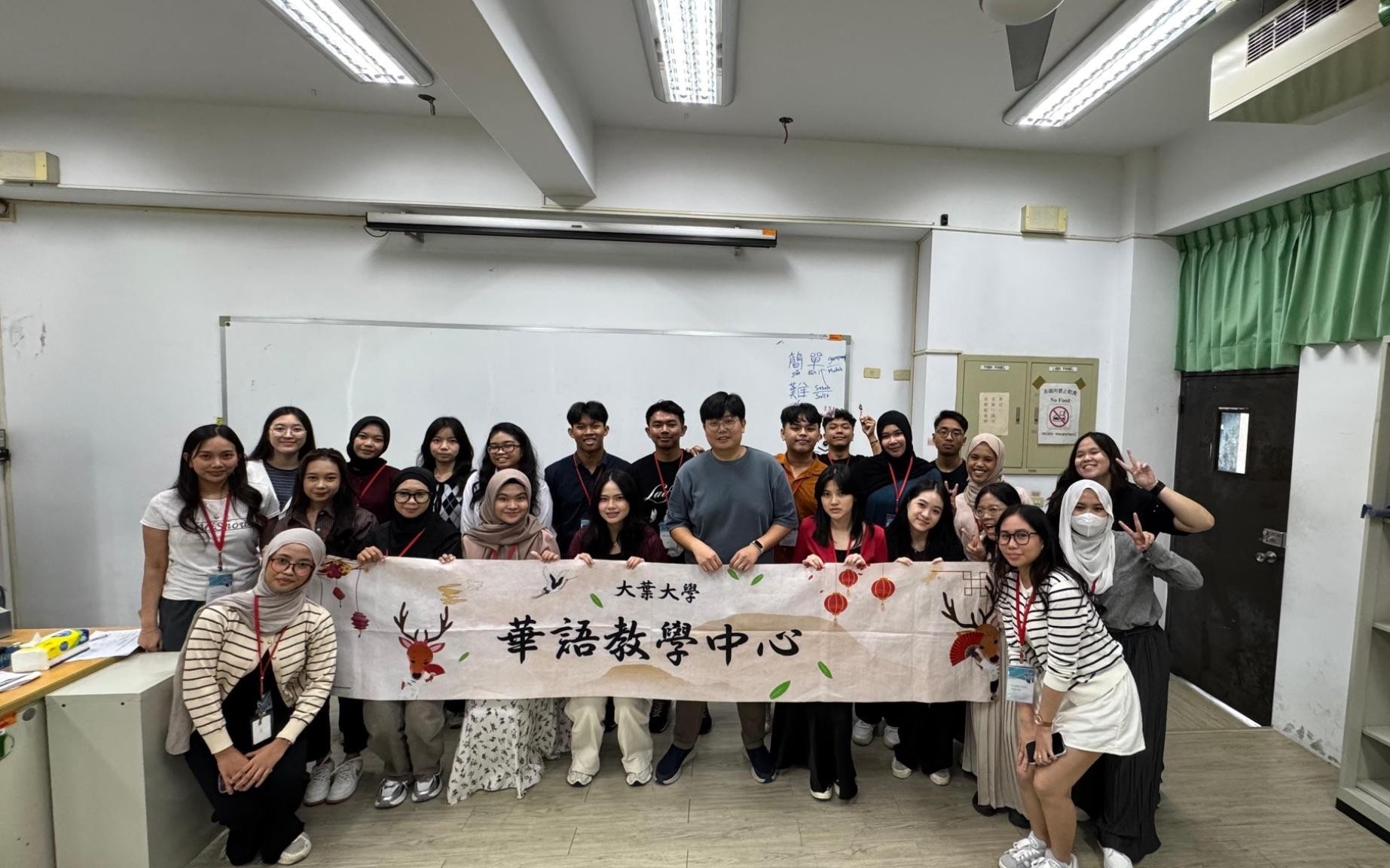
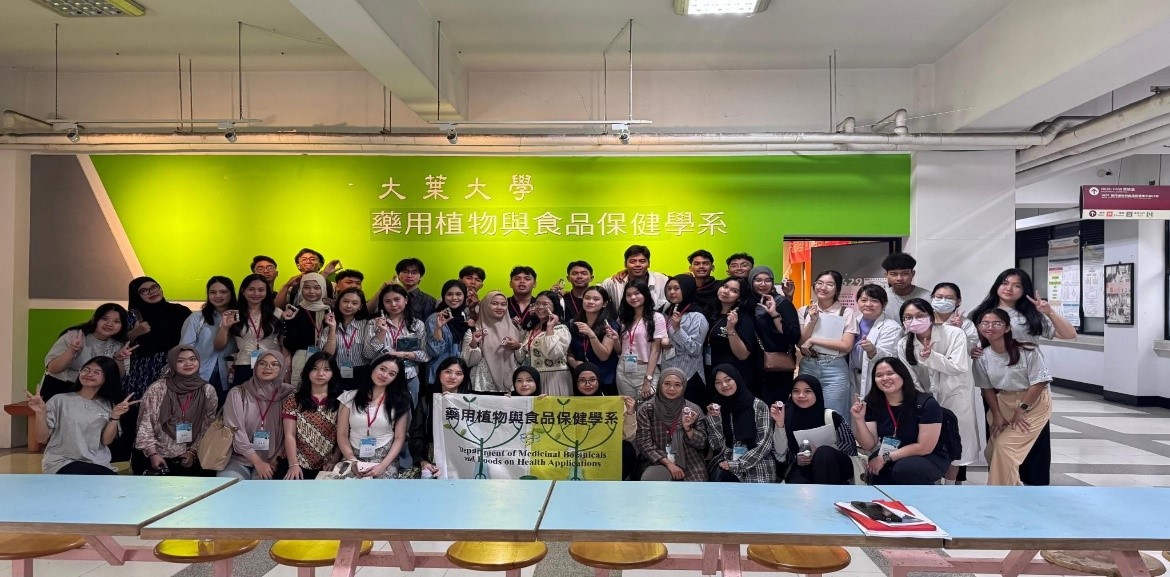
In addition to traditional culture, the program also emphasized Taiwan’s innovative spirit. Da Yeh University offered creative workshops where participants explored Augmented Reality (AR) applications and even developed AI-generated 3D dancers. These activities bridged modern technology with cultural learning, showing how digital creativity can enrich education. Table games and group projects further encouraged teamwork and friendly competition, making the camp both fun and intellectually stimulating.
While weekdays were filled with structured lessons, weekends allowed students to relax and explore. Although the planned trip to Sun Moon Lake was canceled due to heavy rainfall, organizers adapted quickly by arranging a visit to a mochi factory and local shopping centers. These alternatives provided students with authentic insights into Taiwanese daily life, from traditional snacks to urban culture. Such flexibility highlighted how unexpected experiences often become the most memorable parts of international travel.
Beyond academics, the camp fostered lasting friendships and cross-cultural understanding. Participants from different Indonesian universities came together to share ideas, experiences, and laughter, creating a sense of community that extended beyond national borders. The closing ceremony on August 1 celebrated not only the completion of the program but also the bonds formed during the journey.
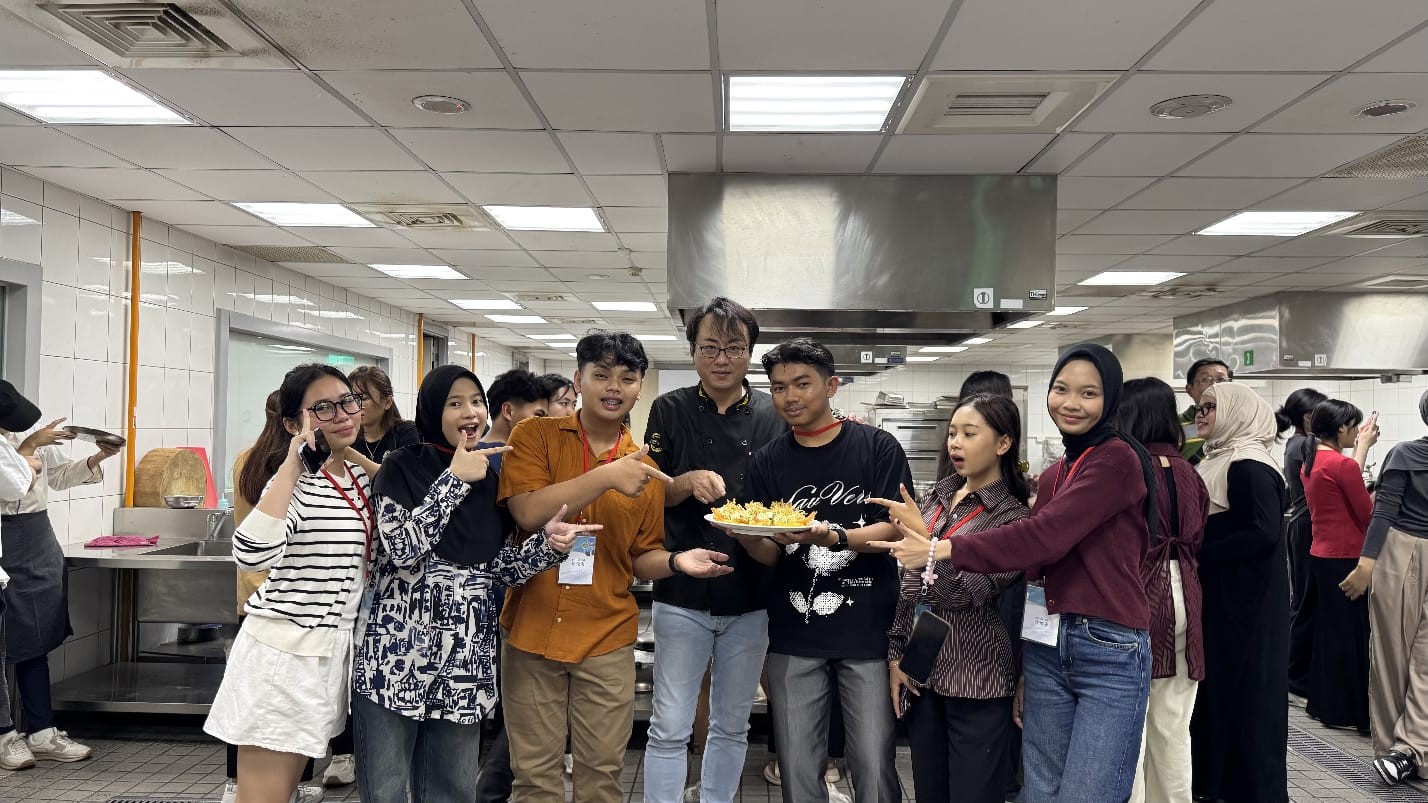
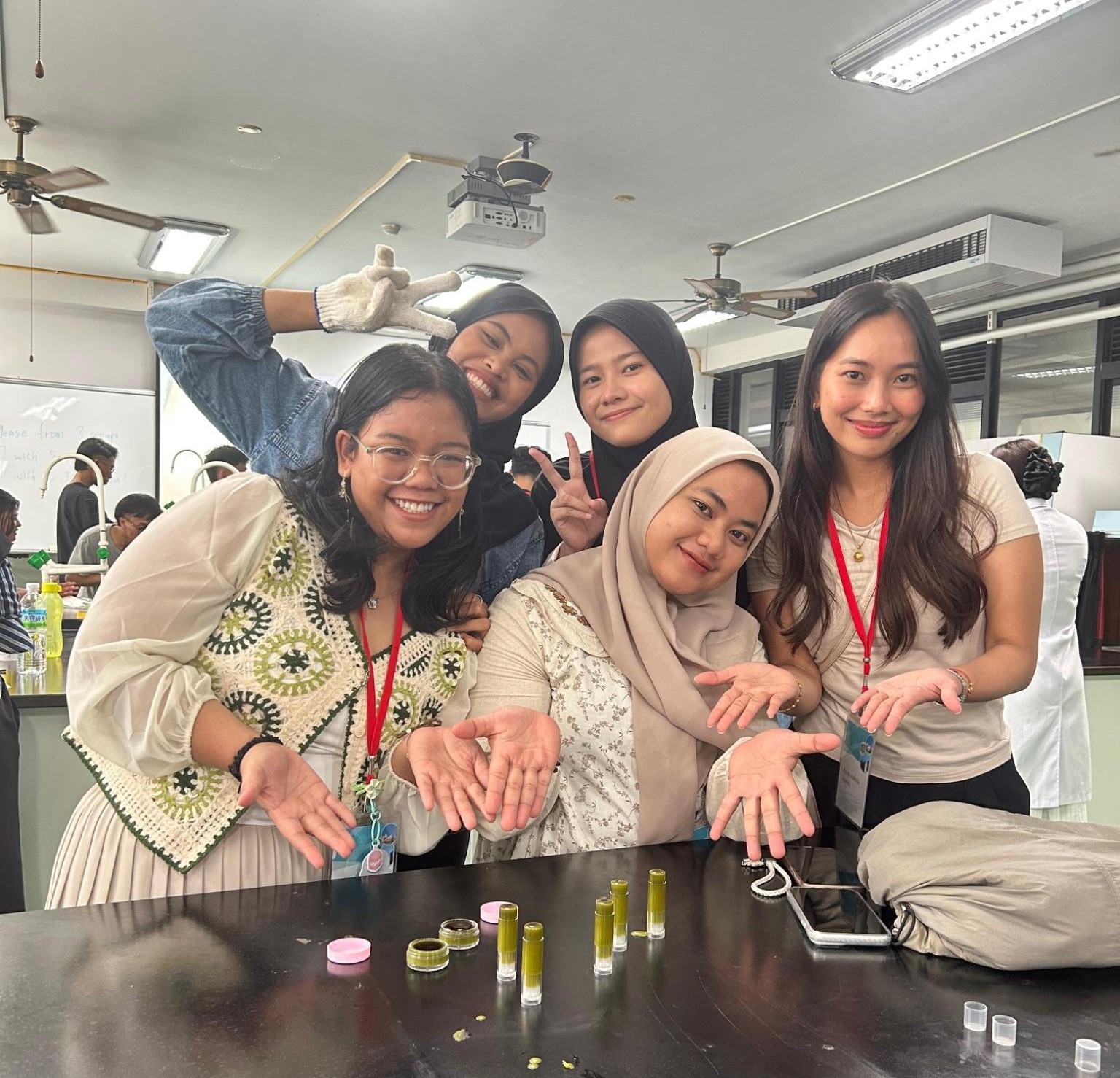
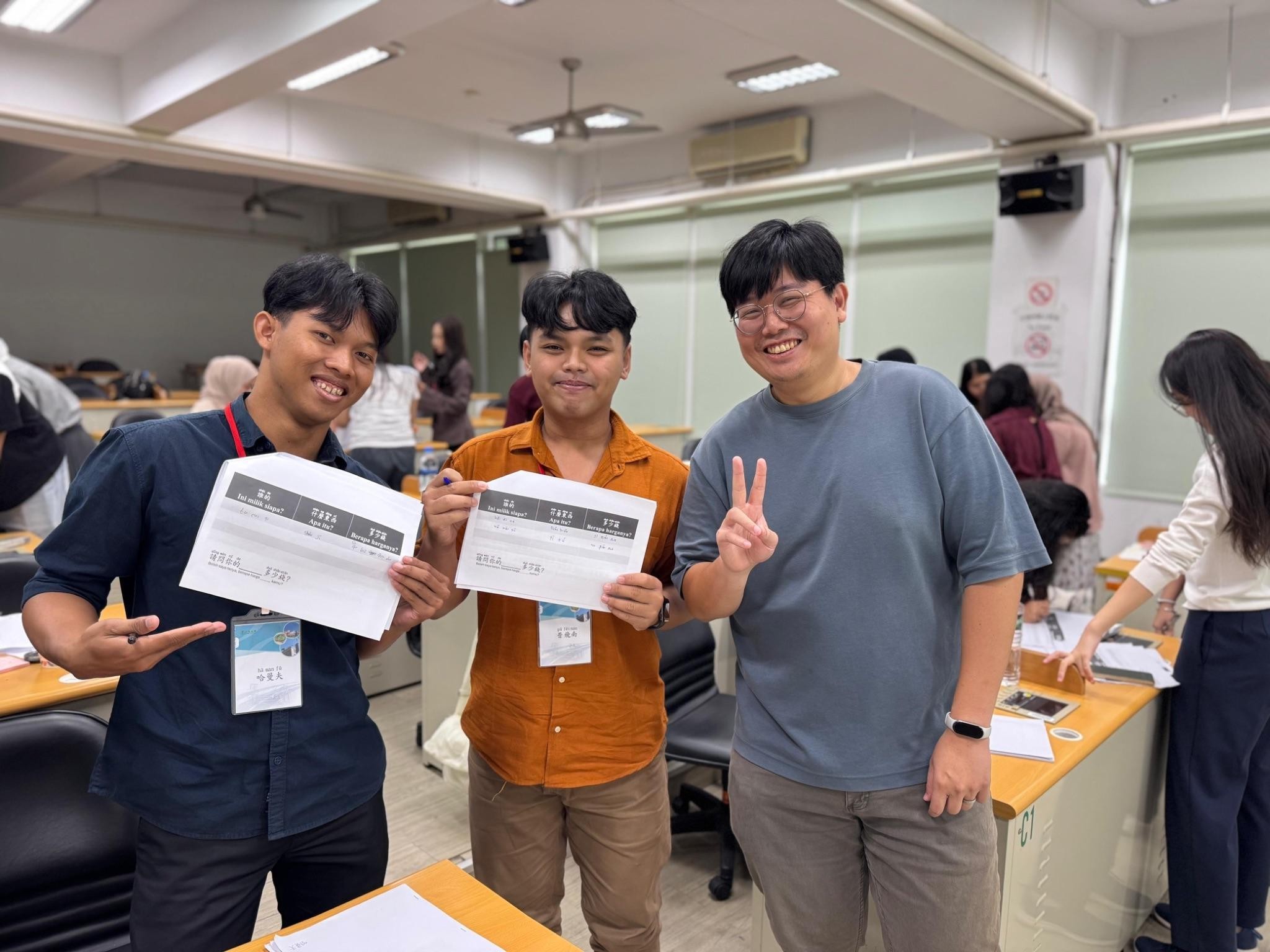
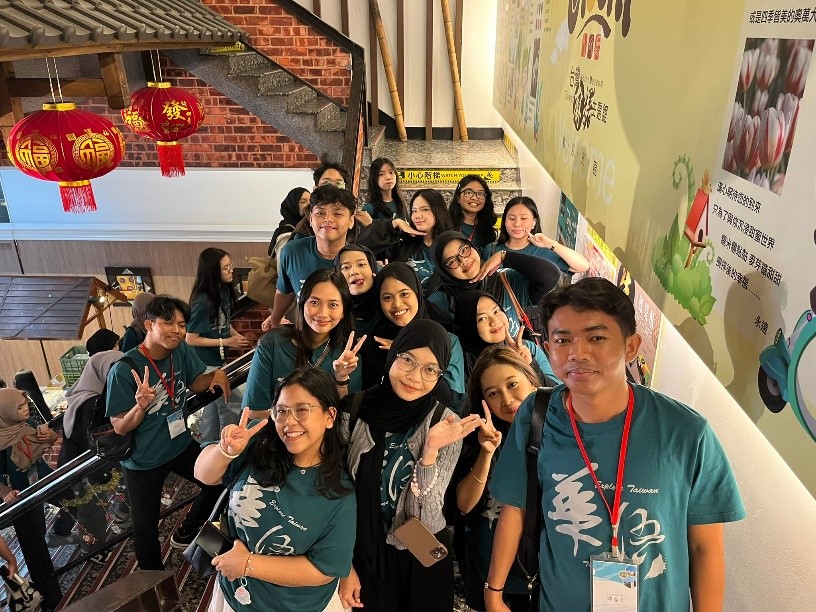
For many students, this program was more than an opportunity to study abroad; it was a chance to grow personally and academically. They left Taiwan with improved language skills, broader cultural awareness, and a deeper appreciation for global collaboration. The balance between formal learning and leisure ensured that students remained engaged, motivated, and inspired throughout the program.
In conclusion, the Mandarin Summer Camp at Da Yeh University successfully blended tradition, innovation, and international friendship. It demonstrated how short-term exchange programs can empower students to embrace diversity, adapt to new environments, and cultivate skills for the future. For UMM participants, the experience was not only educational but also transformative, leaving them with valuable memories and renewed enthusiasm for learning.